Sustainable Y2K Fashion: Eco-Friendly Style for the Modern Era
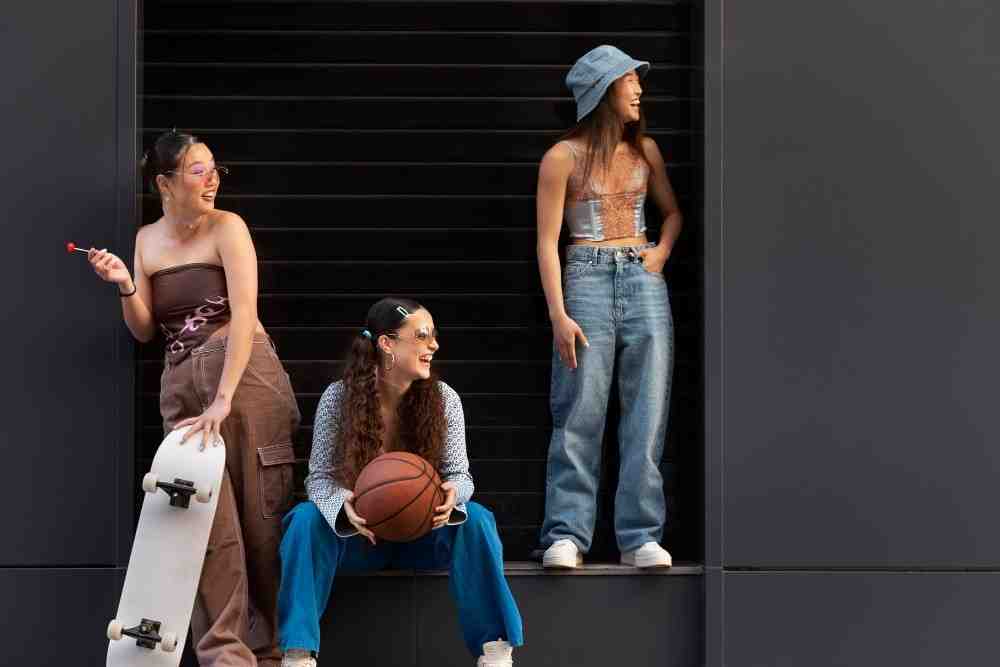
Y2K fashion is back in a big way for 2026 — but this time, it comes with a conscience. Sustainable fashion refers to clothing and accessories designed with minimal environmental impact and ethical labor practices. The fashion industry faces mounting pressure to address its environmental footprint, which accounts for roughly 10% of global carbon dioxide emissions and significant water consumption. By combining the playful, nostalgic aesthetic of Y2K with eco-friendly materials and practices, you can enjoy the best of both worlds: iconic retro style that doesn’t cost the earth.
Sustainable Y2K fashion isn’t about sacrificing style for ethics. It’s about shopping smarter — choosing vintage Y2K pieces over newly manufactured ones, investing in quality materials that last, and supporting brands that prioritize the planet. Whether you’re a seasoned thrifter or new to sustainable style, this guide will show you how to rock the Y2K look while keeping your carbon footprint light.
Sustainable Y2K Fashion Trends for 2026
The fashion landscape in 2026 is vibrant with innovative approaches to sustainability. Consumers are moving away from fast fashion’s disposable culture, embracing designs that prioritize longevity and environmental care. The Y2K revival has evolved to embrace these values, with thrifted and upcycled pieces taking center stage.
Upcycled Y2K Clothing
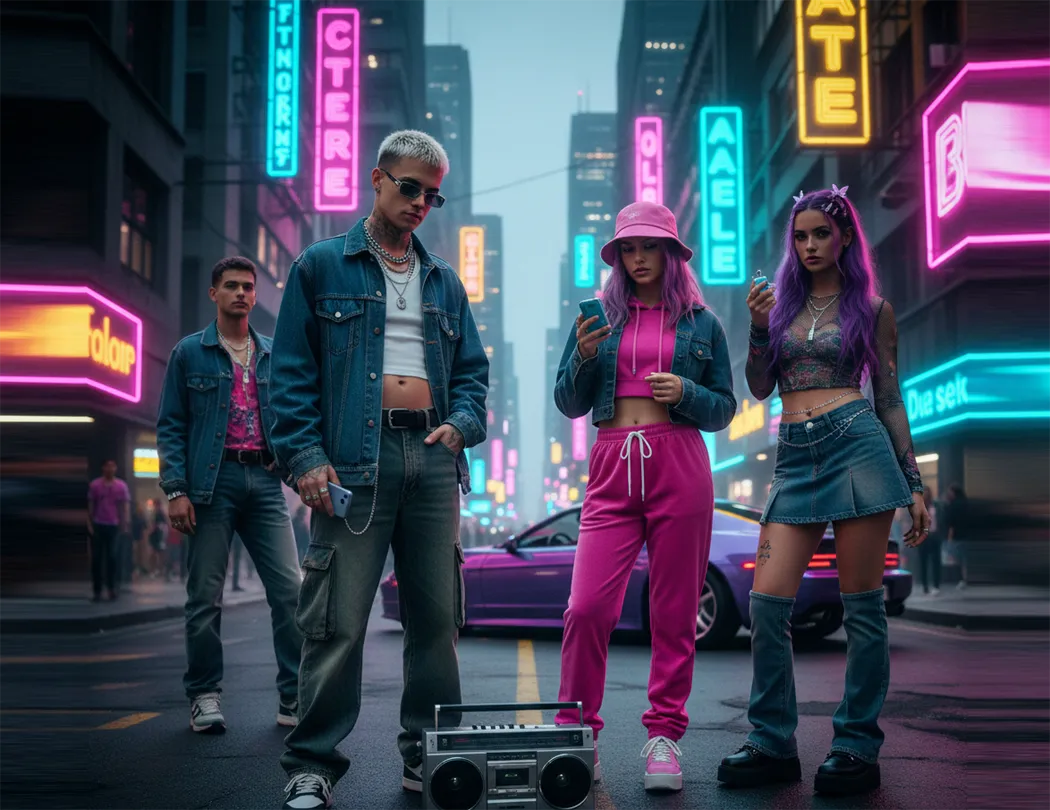
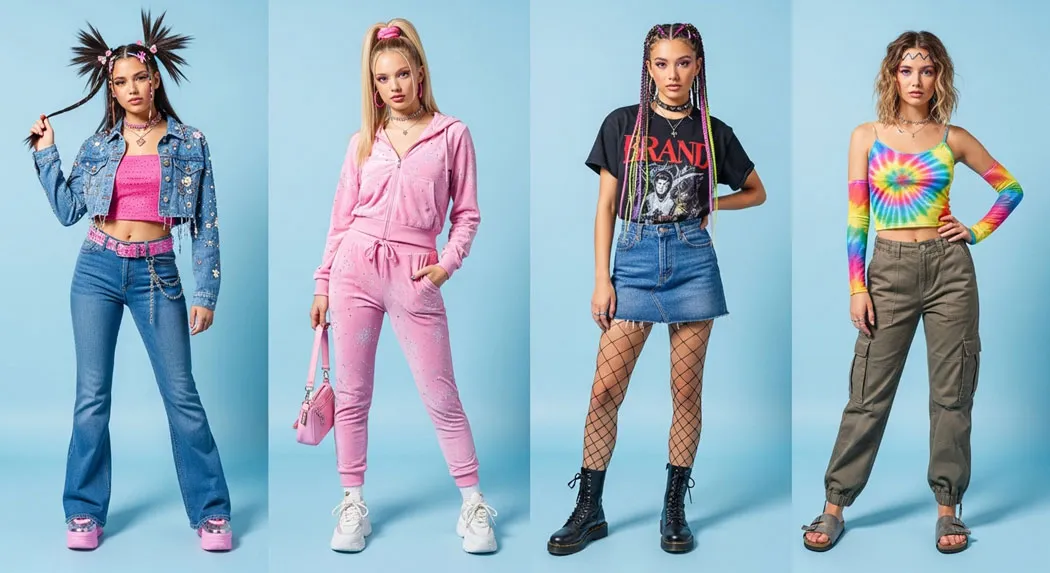
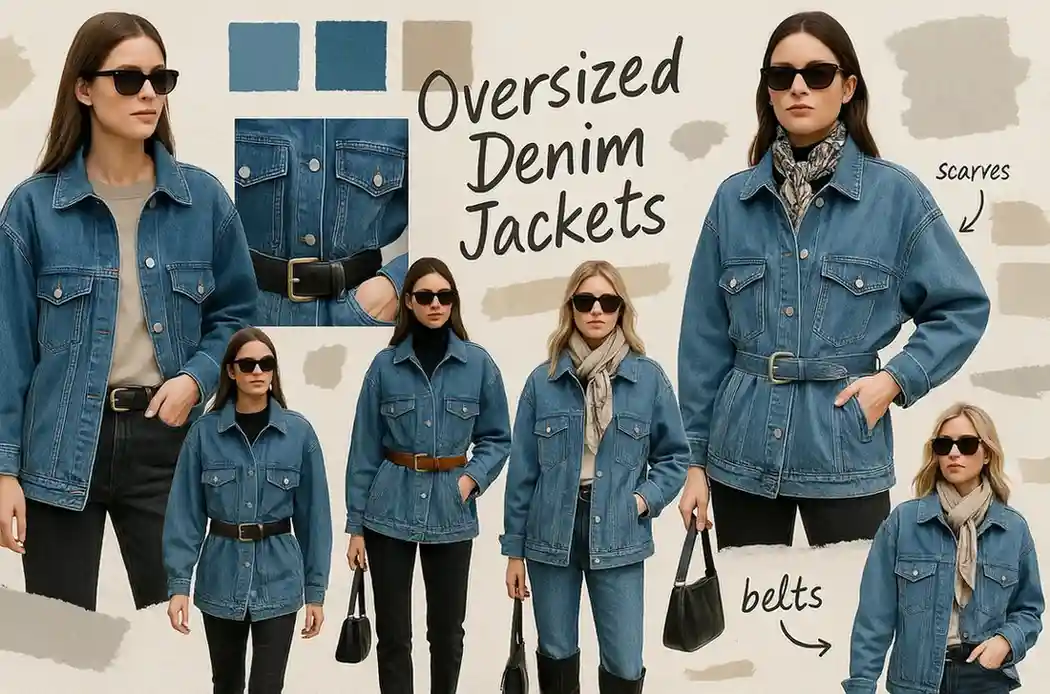
Upcycling transforms discarded garments into fresh, unique pieces. Imagine a vintage denim jacket reborn as a patchwork masterpiece, blending retro Y2K charm with modern eco-consciousness. This trend resonates with shoppers seeking exclusive Y2K-inspired styles while minimizing landfill contributions. For ideas on what to look for, check out our guide on Y2K aesthetic outfits and consider how to recreate those looks with upcycled finds.
Recycled Fabrics
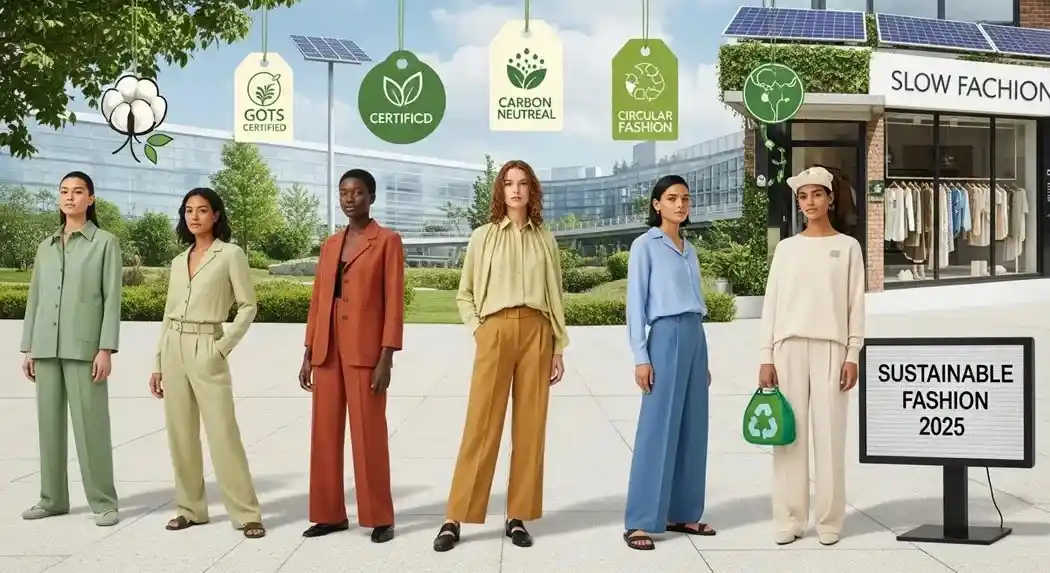
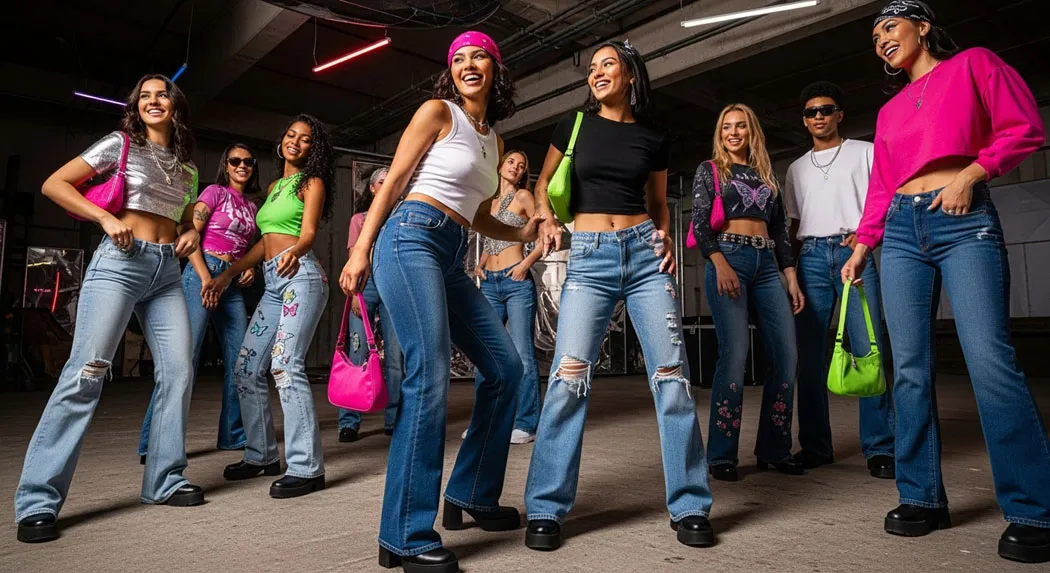
Recycled fabrics, such as polyester made from plastic bottles or reclaimed cotton, are gaining traction in Y2K-inspired collections. Picture a pair of low-rise jeans crafted from recycled denim, offering both that iconic 2000s silhouette and a lighter environmental footprint. Certifications like GOTS (Global Organic Textile Standard) ensure authenticity, helping consumers trust their choices. Our guide on why low-rise jeans defined Y2K has more on styling these sustainable staples.
Thrifting the Y2K Aesthetic
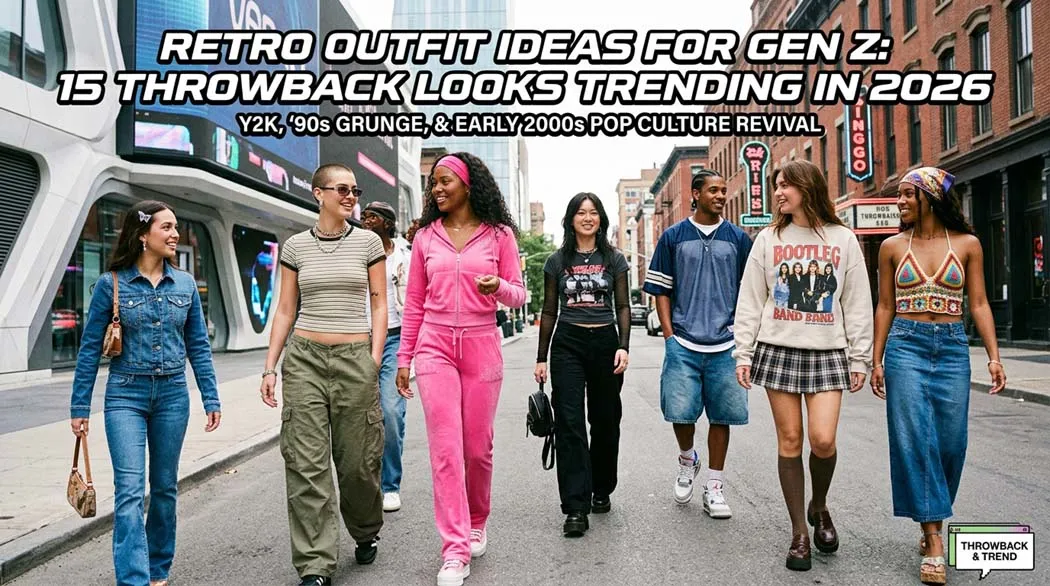
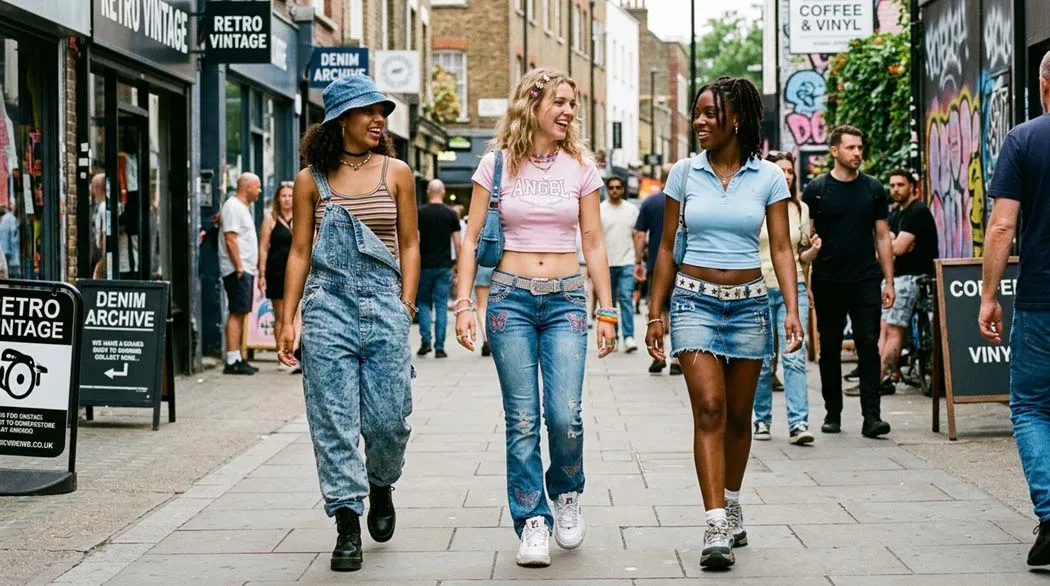
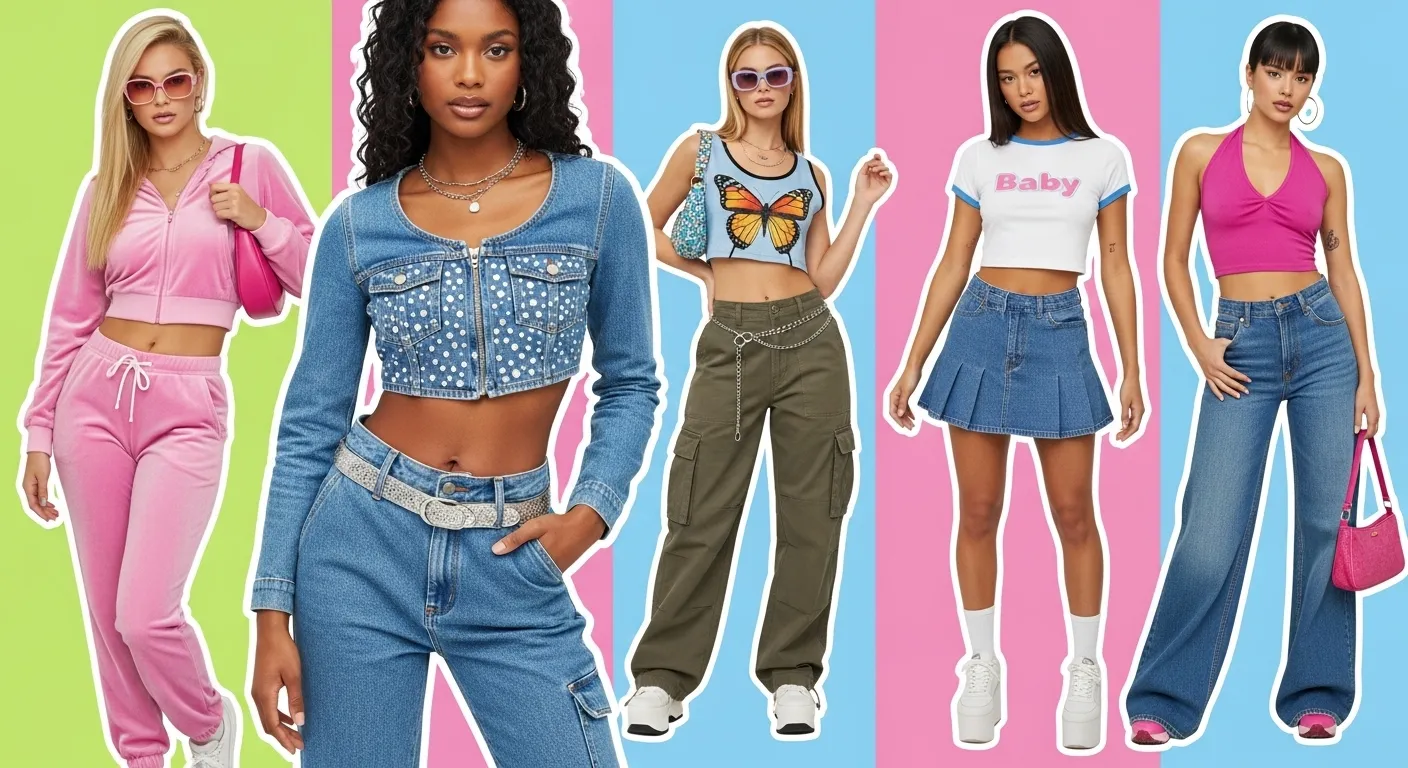
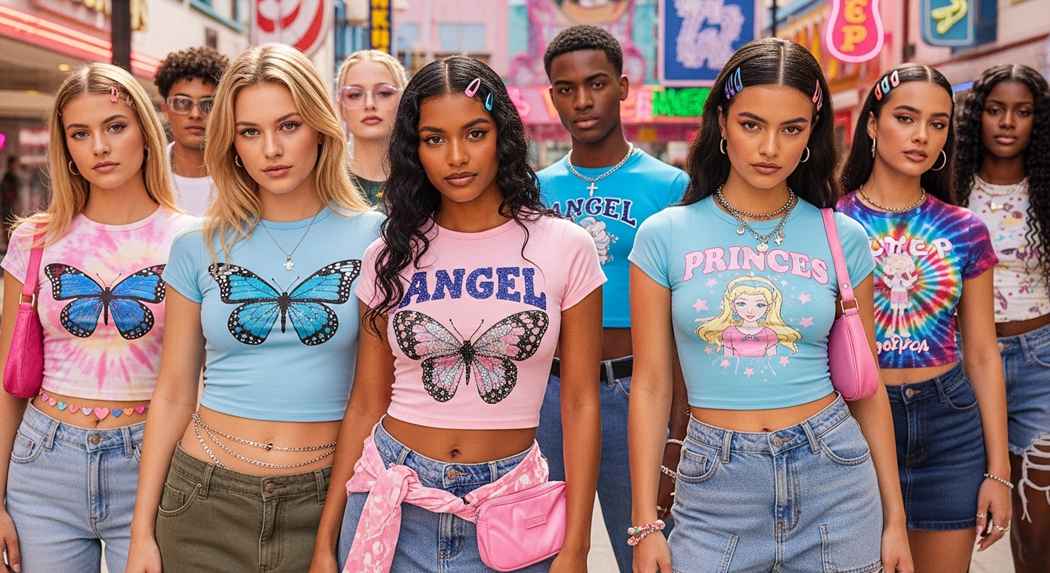
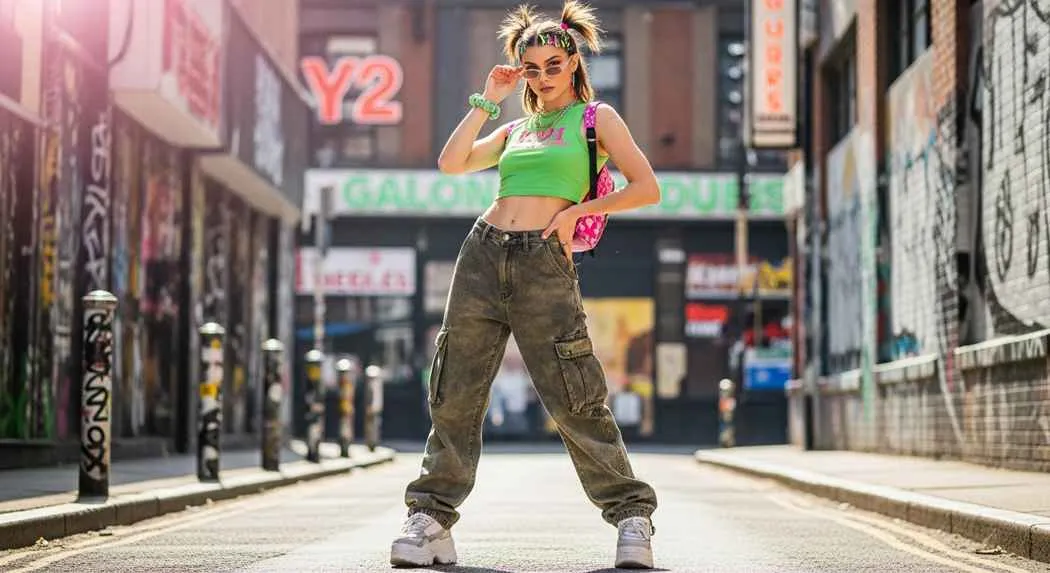
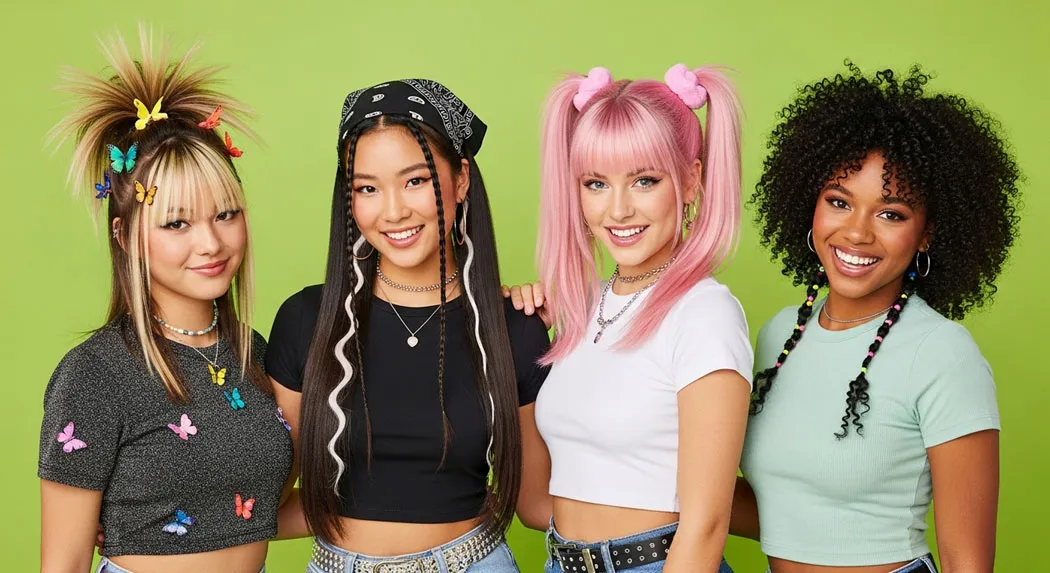
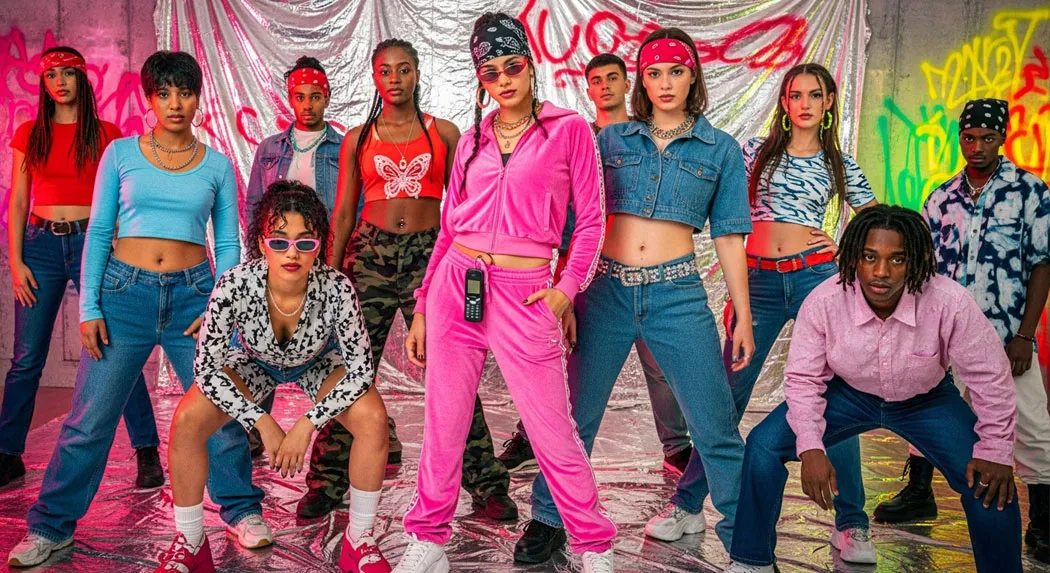
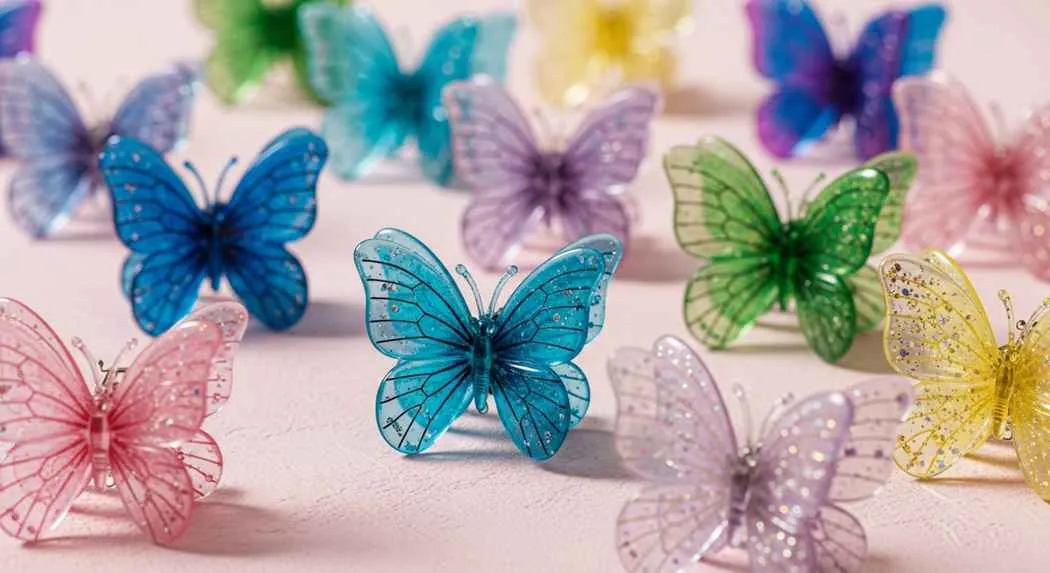
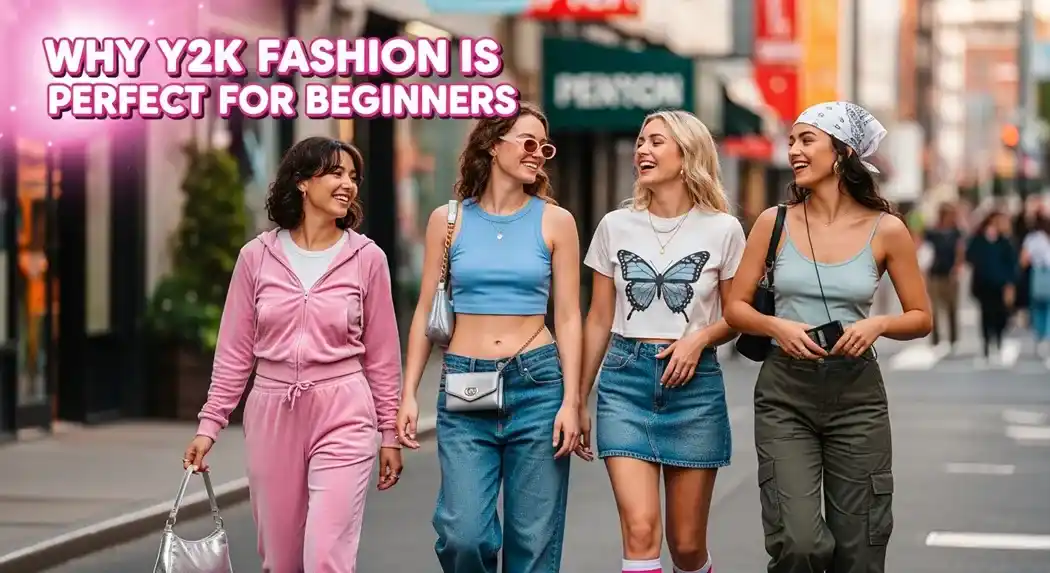
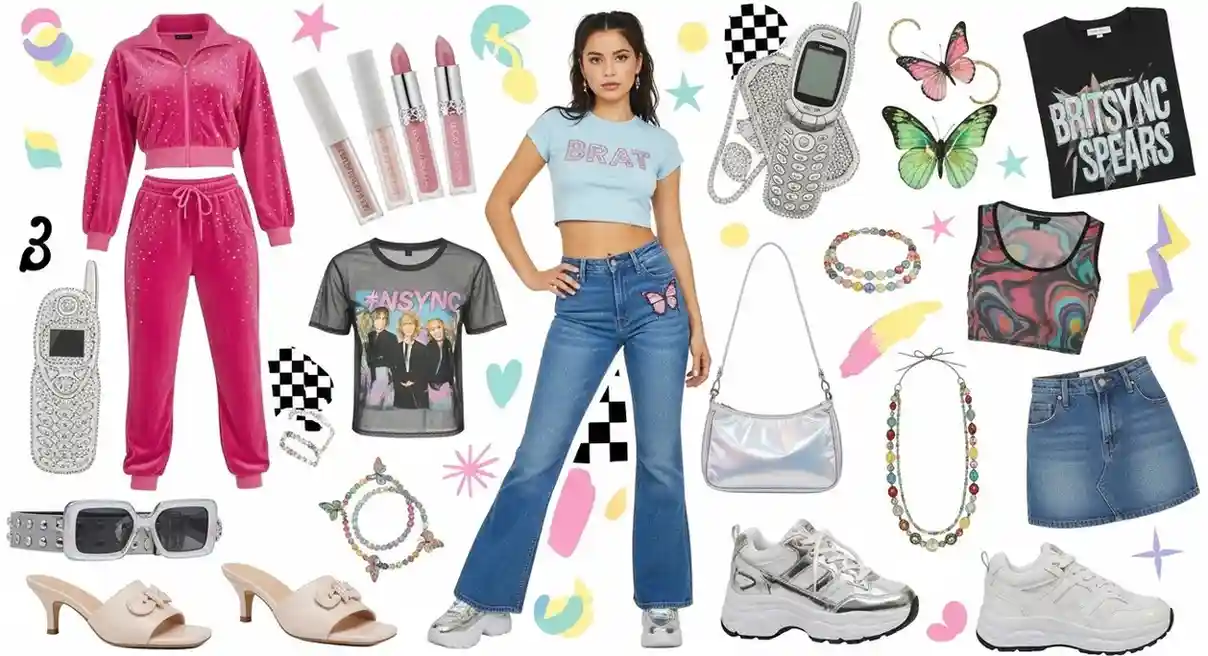
Thrifting is the ultimate sustainable approach to Y2K fashion. Platforms like Depop, Poshmark, and local charity shops are goldmines for authentic 2000s pieces — think velour tracksuits, baby tees, cargo pants, and butterfly hair clips. Not only does thrifting reduce textile waste, but it also ensures your Y2K wardrobe is genuinely authentic rather than a modern reproduction. For beginners, check out our Y2K fashion tips for beginners guide.
Vegan Materials
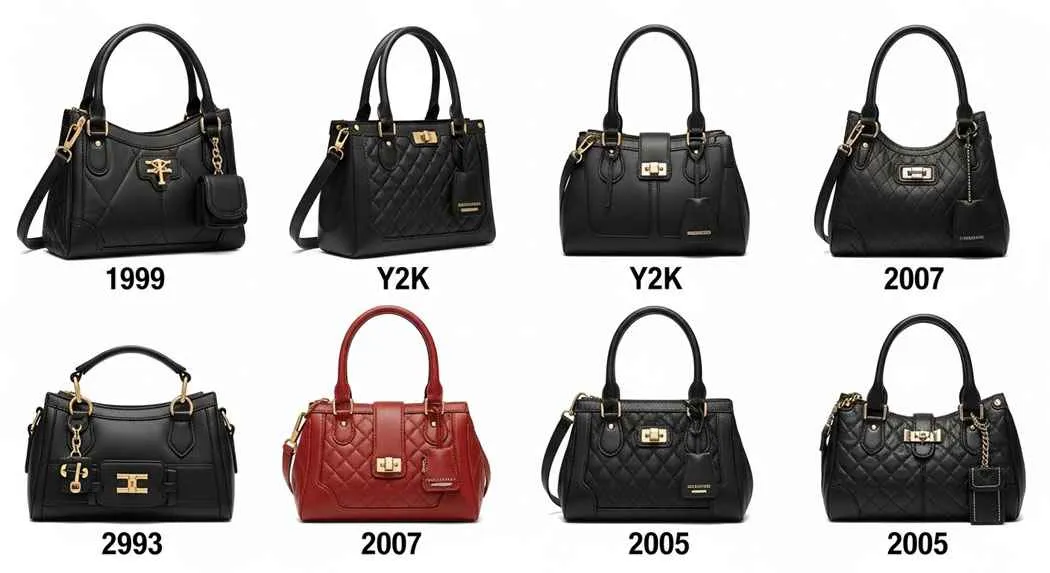
Vegan Y2K fashion is surging, driven by concerns for animal welfare and environmental impact. Materials like pineapple leather or mushroom-based fabrics offer cruelty-free alternatives to traditional leather. A chic handbag crafted from apple skin leather exemplifies how vegan options blend ethics with elegance, appealing to eco-conscious consumers seeking sustainable luxury.
Understanding Sustainable Materials
The backbone of sustainable fashion lies in its materials. By prioritizing eco-friendly fabrics, brands reduce resource consumption and pollution.
Organic Cotton
Organic cotton, grown without harmful pesticides or synthetic fertilizers, uses significantly less water than conventional cotton. A soft, breathable organic cotton baby tee feels luxurious while supporting soil health and farmer safety. Look for GOTS-certified options to ensure ethical production standards.
Recycled Polyester
Recycled polyester, often made from plastic bottles, diverts waste from landfills and oceans. A vibrant recycled polyester track jacket not only captures the Y2K aesthetic but also reduces the need for petroleum-based virgin polyester. Brands are using this material to create durable, stylish Y2K-inspired outerwear.
Hemp
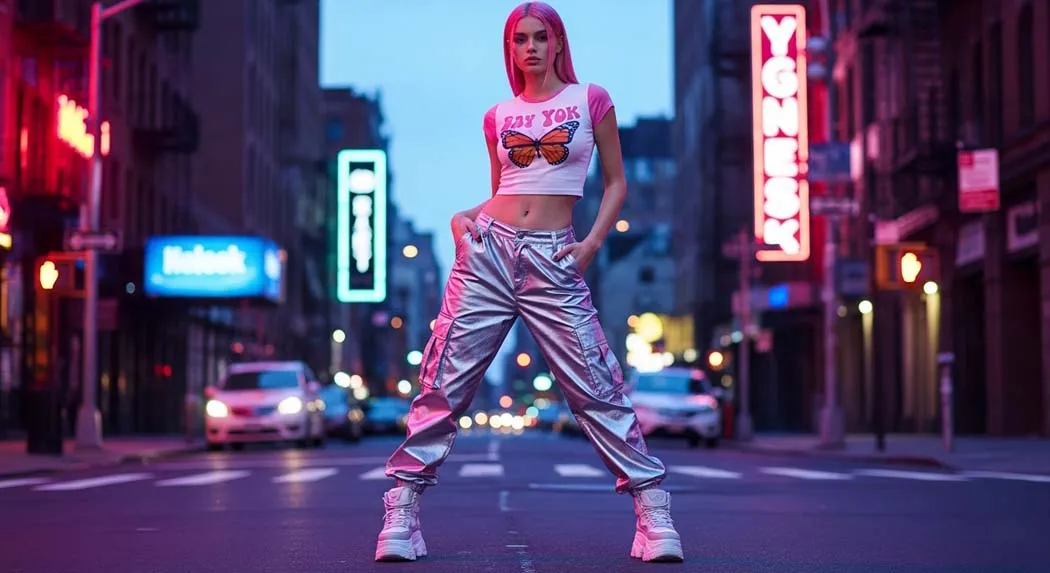
Hemp is a superstar of eco-friendly fabrics, requiring minimal water and no pesticides to grow. A pair of hemp cargo pants offers durability and breathability, perfect for achieving that utilitarian Y2K streetwear look. Its natural resistance to pests makes it a low-impact choice, gaining popularity among designers.
Tencel (Lyocell)
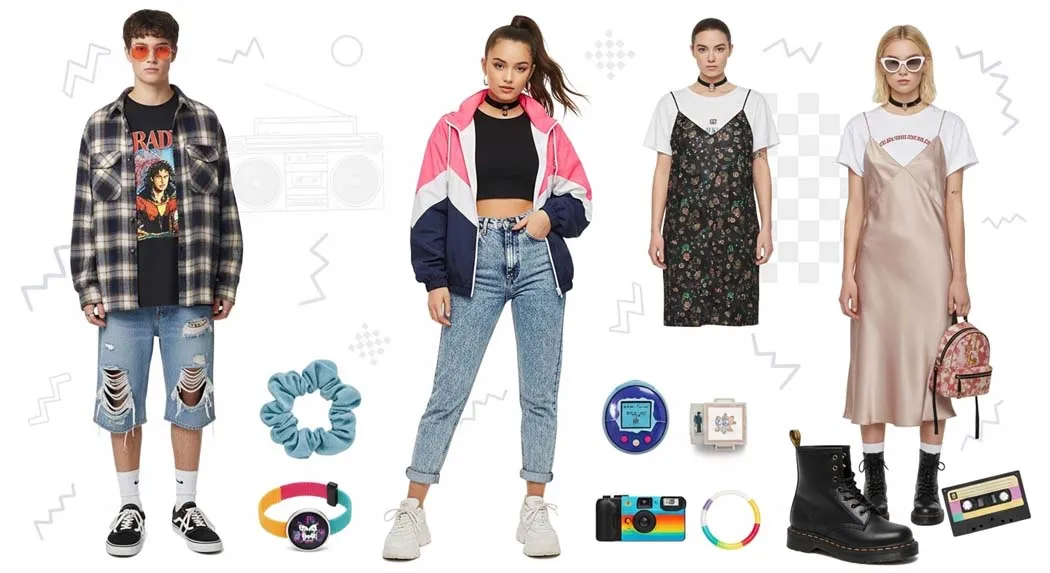
Tencel, derived from sustainably sourced wood pulp, is produced in a closed-loop system that minimizes waste. A silky Tencel slip dress drapes beautifully, offering a luxurious feel with a smaller carbon footprint. Its biodegradability makes it a favorite for eco-conscious wardrobes.
Building a Sustainable Y2K Wardrobe
Creating a sustainable Y2K wardrobe is about making mindful choices that prioritize quality, versatility, and ethics. Here are practical steps to get started.
Capsule Y2K Wardrobe
A capsule wardrobe focuses on a curated collection of versatile, timeless pieces with Y2K flair. Start by auditing your closet to identify items you love and wear often. Invest in staples like a tailored low-rise jeans, organic cotton baby tee, or a metallic skirt that can be styled multiple ways. For a complete overview of the era’s defining looks, see our complete Y2K fashion guide.
Second-Hand Shopping
Thrifting and vintage shopping extend the life of garments, keeping them out of landfills. Platforms like ThredUp or Vestiaire Collective offer preloved designer pieces, such as a gently worn Juicy Couture tracksuit that adds instant Y2K credibility to any outfit. Visiting local thrift stores or online resale sites can uncover unique finds while supporting circular fashion.
Caring for Your Clothes
Proper care extends the lifespan of your wardrobe. Wash clothes in cold water to save energy, air-dry when possible, and mend small tears to avoid discarding items. A simple sewing kit can revive a favorite Y2K piece, transforming a potential throwaway into a cherished wardrobe staple.
Top Sustainable Fashion Brands for Y2K Style
Choosing brands committed to sustainability ensures your purchases support ethical practices. Here are standout names leading the charge in 2026.
Patagonia
Patagonia, a pioneer in sustainable fashion, uses recycled polyester and organic cotton in its iconic fleece jackets and outdoor gear. While not strictly Y2K, their colorful fleeces from the early 2000s are now coveted vintage pieces that perfectly fit the aesthetic.
Reformation
Reformation blends trendy designs with eco-friendly practices, using deadstock fabrics and sustainable materials like Tencel. Their low-rise jeans and cropped tops capture Y2K energy while maintaining ethical production standards.
Stella McCartney
A luxury leader, Stella McCartney champions vegan materials and circular fashion. Her cruelty-free handbags and tailored pieces offer high-end Y2K-inspired options for eco-conscious splurges.
Slow Fashion vs. Fast Fashion in the Y2K Revival
Slow fashion prioritizes quality, ethical production, and longevity, contrasting sharply with fast fashion’s rapid, trend-driven model. Fast fashion brands produce cheap, disposable Y2K-inspired pieces that often fall apart after a few wears, ending up in landfills. In contrast, slow fashion encourages thoughtful consumption. A thrifted genuine 2000s piece may cost less and last longer than a cheap reproduction. Slow fashion also supports fair wages and safe working conditions, addressing the human cost of garment production.
How to Shop Sustainable Y2K on a Budget
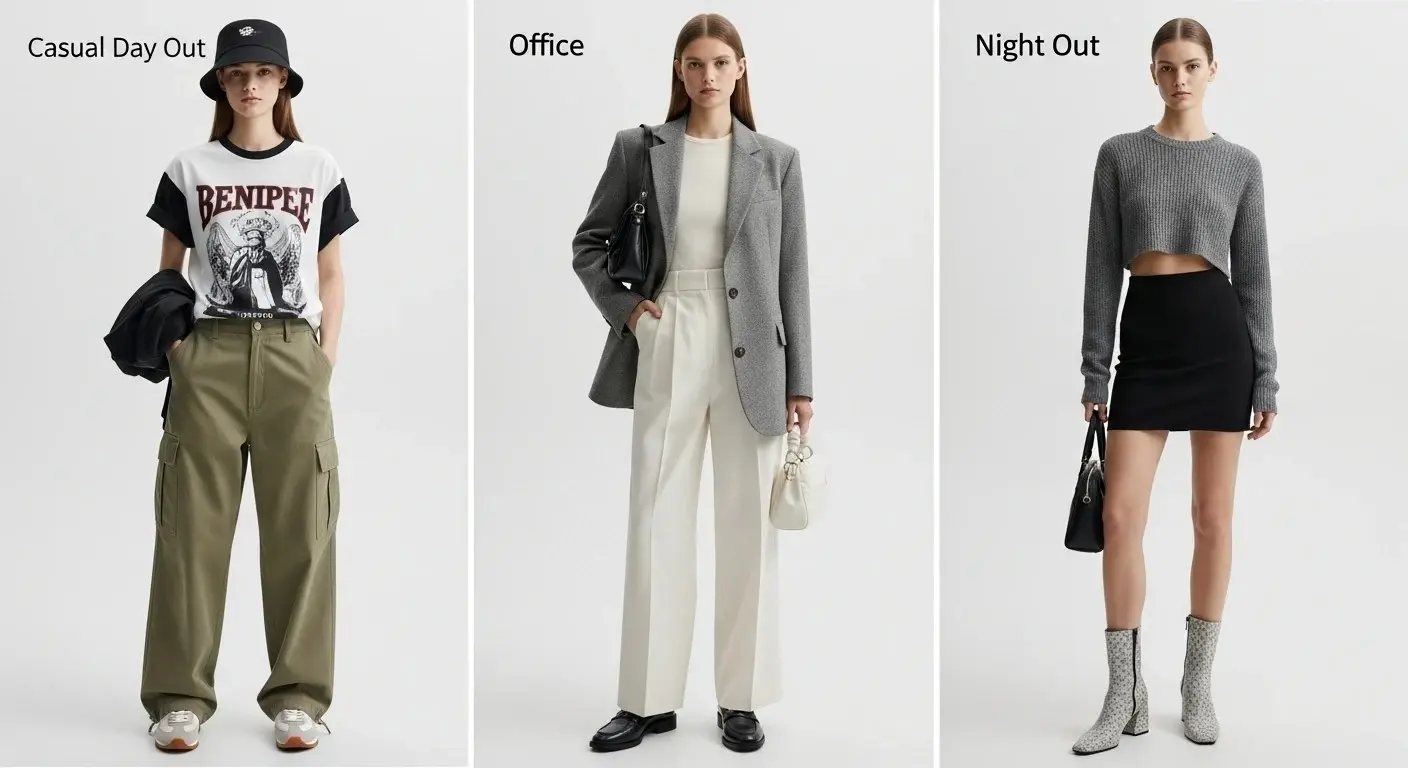
Sustainable fashion doesn’t have to break the bank. Start by shopping second-hand through platforms like Poshmark or local charity shops, where you might find a vintage Von Dutch trucker hat or authentic low-rise jeans for a fraction of their original price. Renting outfits for special occasions offers access to designer Y2K-inspired pieces without the commitment. Focus on versatile staples that can be styled for multiple settings. For more outfit inspiration, browse our Y2K aesthetic outfits gallery.
The Environmental Impact of Sustainable Fashion
Sustainable fashion significantly reduces the industry’s environmental toll. Fast fashion consumes vast resources, using 98 million tons of materials daily and generating 1.2 million metric tons of CO2 annually. Sustainable practices counter this by using low-impact materials like hemp, which requires minimal water, or recycled fabrics that divert waste from landfills. Circular fashion models, such as resale and upcycling, further minimize waste. By choosing sustainable Y2K options, consumers help decarbonize supply chains and reduce pollution, contributing to a healthier planet.
FAQ
What is sustainable Y2K fashion?
Sustainable Y2K fashion combines the nostalgic Y2K aesthetic with eco-friendly materials, ethical production, and circular fashion practices like thrifting and upcycling.
How do I build a sustainable Y2K wardrobe?
Start by thrifting authentic 2000s pieces, invest in quality organic cotton or recycled fabric staples, and support brands with transparent ethical practices.
Where can I find sustainable Y2K clothing?
Thrift stores, Depop, Poshmark, and Etsy for vintage. For new pieces, try Reformation, Patagonia, or Stella McCartney.
What are the best sustainable materials for Y2K style?
Organic cotton for baby tees, recycled polyester for track jackets, hemp for cargo pants, and Tencel for slip dresses.
How can I shop sustainable Y2K on a budget?
Thrift first, rent for special occasions, prioritize durable staples, and look for sales from eco-conscious brands.
\uD83D\uDCEB Subscribe for More Y2K Style!
Get the latest Y2K fashion tips straight to your inbox.