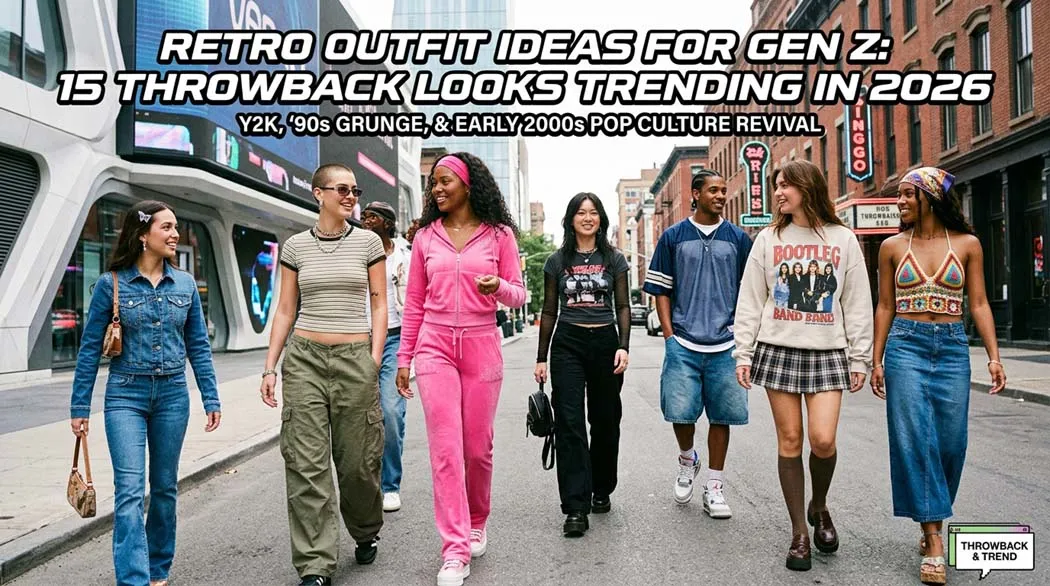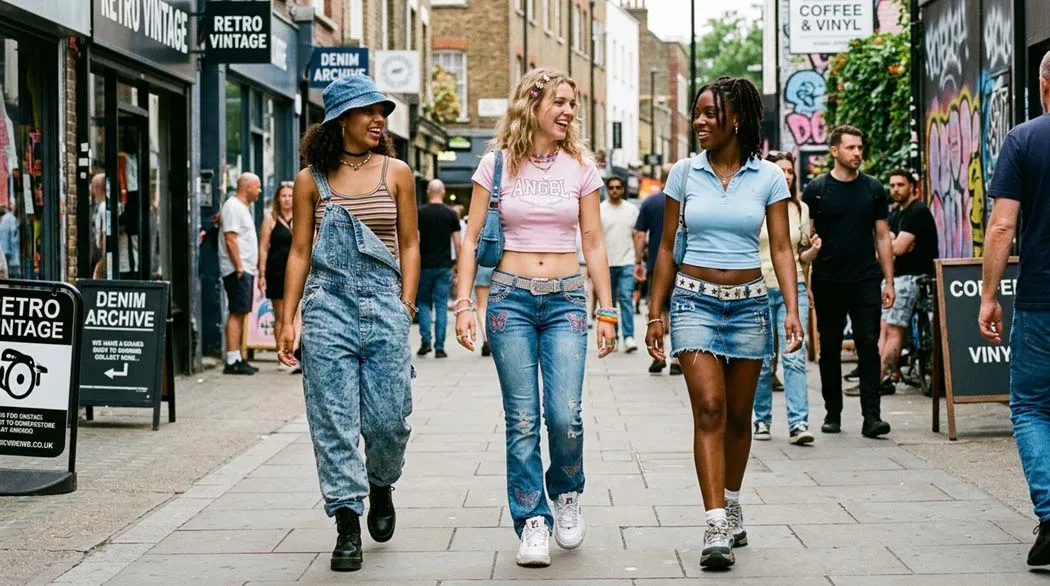
The 1990s club scene was a fashion laboratory where the rules of dressing up were rewritten every night. From the grunge dives of Seattle to the superclubs of New York, 90s club wear was about attitude, experimentation, and pushing boundaries. Whether you were into techno, hip-hop, or alternative rock, what you wore to the club was a statement of identity.
The Defining Looks of 90s Club Fashion
The Rave and Techno Scene
Rave culture in the early to mid-90s embraced bright colors, oversized silhouettes, and DIY aesthetics. Think baggy JNCO jeans, platform sneakers, brightly colored windbreakers, and pacifier necklaces. Rave fashion was about comfort and freedom of movement, allowing dancers to move for hours on end. Neon colors, reflective materials, and kandi jewelry were essential.
As the decade progressed, the rave aesthetic evolved into a more streamlined techno look. Black became the dominant color, with sleek vinyl pants, tight crop tops, and platform boots replacing the chaotic brightness of early rave fashion.
Hip-Hop Club Wear
Hip-hop club wear in the 90s was all about luxury and attitude. FUBU, Tommy Hilfiger, Versace, and Polo Sport dominated the scene. Men wore oversized jerseys, baggy denim, and Timberland boots, while women embraced body-conscious dresses, hoop earrings, and nameplate necklaces. The aesthetic was bold, confident, and unmistakably urban.
Music videos from Bad Boy Records and Death Row Records set the standard for 90s hip-hop club wear. All-white outfits, leather suits, and fur coats became synonymous with the VIP section.
Alternative and Grunge Club Nights
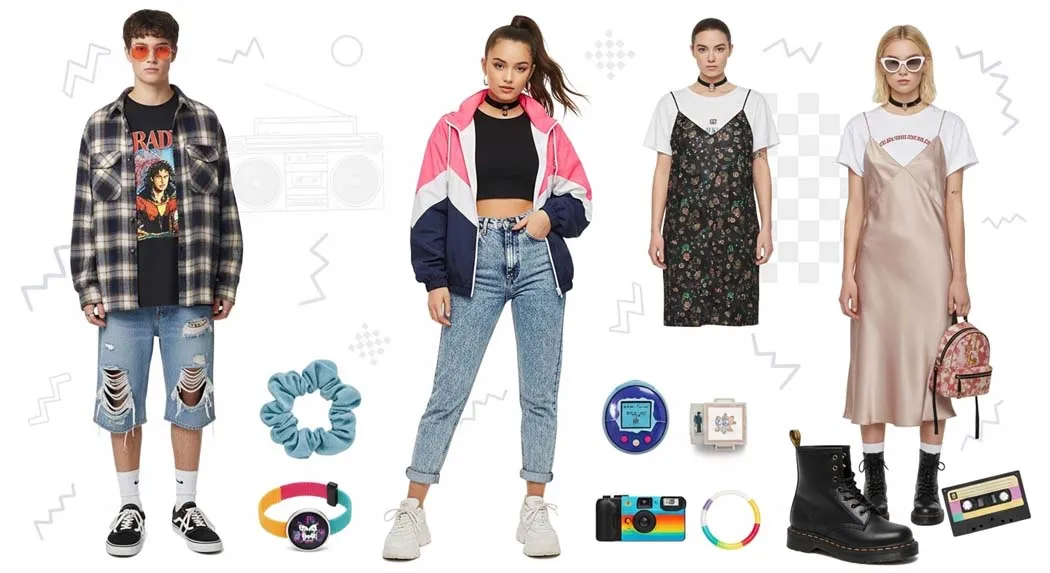
Grunge club wear was deliberately anti-fashion, but it became a fashion statement in itself. Flannel shirts tied around the waist, ripped jeans, band tees, and combat boots were the uniform. Doc Martens and Converse sneakers were the footwear of choice. The look was borrowed from the Seattle music scene and popularized by bands like Nirvana and Pearl Jam.
The Supermodel Club Look
By the late 90s, club fashion had embraced a sleeker, more glamorous aesthetic inspired by supermodels. Slip dresses, strappy heels, and minimalist jewelry dominated the VIP sections of clubs like NYC’s Limelight and London’s Ministry of Sound. This look borrowed heavily from the 90s supermodel style icons.
Essential Pieces for 90s Club Wear
Platform Boots: Whether chunky Demonia boots for the goth crowd or sleek platforms for the fashion set, elevated footwear was essential for 90s clubbing.
Vinyl and Leather Pants: Shiny, tight, and attention-grabbing, vinyl and leather pants were a 90s club staple for men and women alike.
Bodycon Dresses: The slinky, body-hugging dress that defined late 90s club fashion. Often in metallic, black, or animal prints.
Oversized Outerwear: A big leather jacket, fur coat, or puffer jacket was essential for making an entrance and then checking it at the coat room.
Statement Jewelry: Chunky gold chains, hoop earrings, and layered necklaces completed any 90s club look.
How to Recreate 90s Club Wear in 2026
Modern nightlife has embraced the 90s club aesthetic with open arms. To recreate the look, focus on one of the four subcultures rave, hip-hop, grunge, or supermodel glam and build from there. Mixing elements of multiple styles is also very Y2K.
Start with a statement piece like platform boots or a slip dress, then layer on accessories. Do not be afraid of colors and textures. The 90s club scene was about self-expression and having fun with fashion. The only rule was to stand out.
Conclusion
90s club wear was diverse, bold, and endlessly influential. Whether you were raving in neon, sipping champagne in silk, or moshing in flannel, what you wore to the club said everything about who you were. As the Y2K revival continues, these club looks are finding their way back onto dance floors around the world.
\uD83D\uDCEB Subscribe for More Y2K Style!
Get the latest Y2K fashion tips straight to your inbox.