90s Mall Culture: The Golden Age of American Shopping and Style
90s mall culture represented the pinnacle of American retail and teenage social life, creating a unique fashion ecosystem that shaped an entire generation’s style sensibilities. From the echoing food courts to the neon-lit arcades, shopping malls of the 1990s were more than just retail destinations; they were the social headquarters where fashion trends were born, nurtured, and spread with viral speed. Today, the nostalgia for 90s mall culture has sparked a powerful revival in both fashion and popular culture.
The Mall as a Social Institution
The 1990s shopping mall was the undisputed center of teenage social life in America. Unlike today’s digital-first social landscape, the mall offered a physical gathering place where young people could see and be seen, experiment with their personal style, and participate in the collective fashion conversation.
The Weekend Ritual
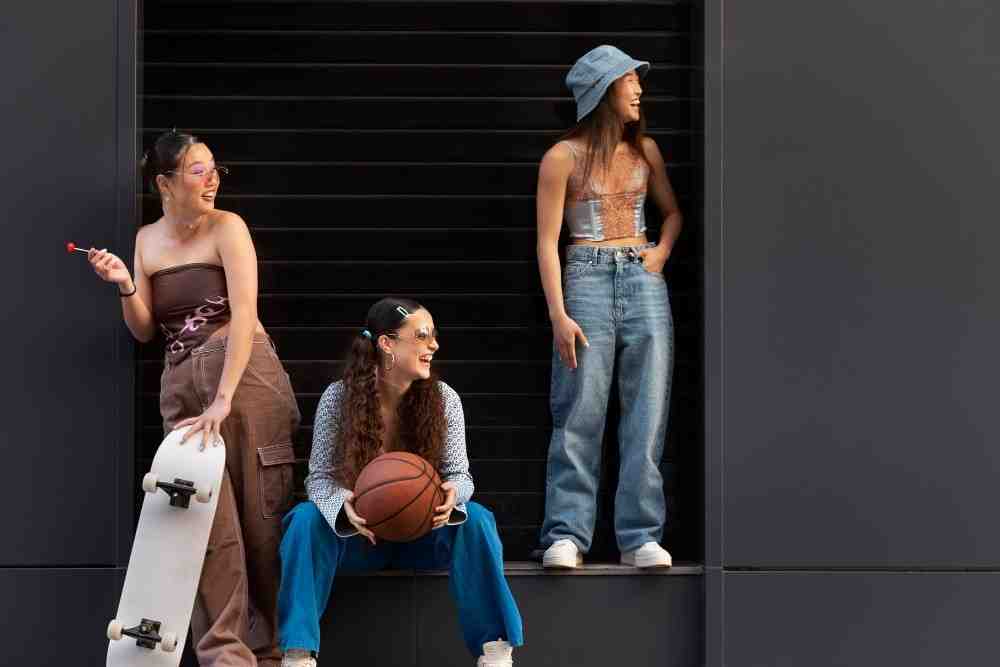
For millions of teenagers, Friday nights and Saturday afternoons meant one thing: going to the mall. Groups of friends would pile into cars, meet at the food court, and spend hours wandering from store to store. This ritual was as much about socializing as it was about shopping. The mall provided a safe, controlled environment where young people could assert their independence and develop their personal style away from parental supervision.
The Food Court as Fashion Runway
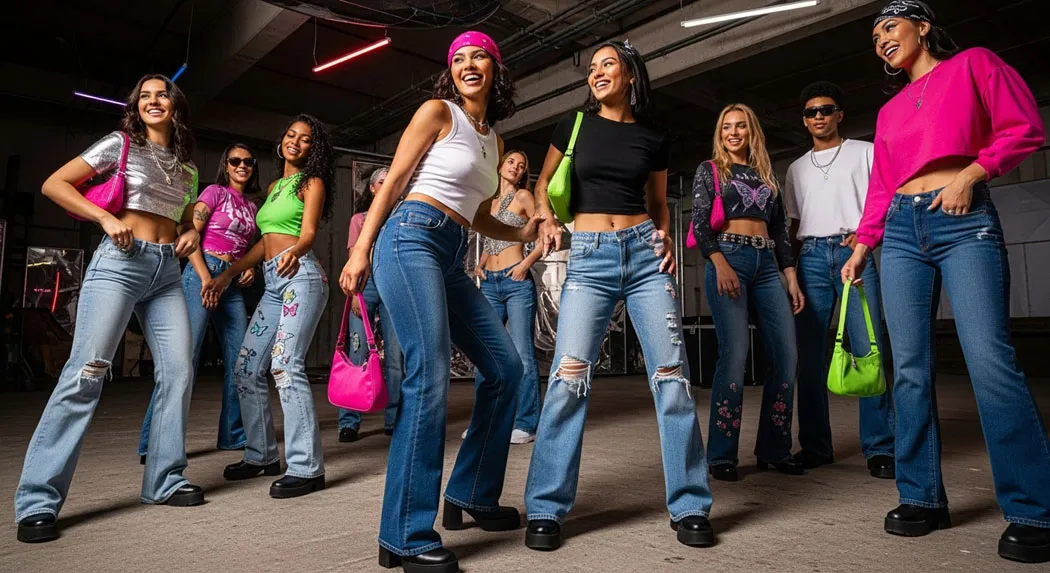
The mall food court served as an unofficial fashion runway where trends were displayed and judged. Teenagers would carefully choose their outfits before a mall trip, knowing they would be seen by their peers. The food court’s central location made it the perfect spot for people-watching and trend-spotting. Sbarro, Panda Express, and Orange Julius became backdrops for countless fashion moments as mall-goers showed off their latest finds.
Iconic 90s Mall Stores That Defined Fashion
Several chain stores became synonymous with 90s mall culture, each offering a distinct fashion perspective that contributed to the decade’s rich style landscape.
Limited Too and Delia’s
Limited Too dominated the preteen and early teen fashion market with its colorful, trend-forward designs. The store’s bright pink and green branding was instantly recognizable, and its clothing perfectly captured the Y2K aesthetic before the year 2000 had even arrived. Delia’s offered a slightly older, more sophisticated take on teen fashion, with its iconic catalogs serving as style bibles for girls across America. Both stores pioneered the catalog-to-mall retail model that defined 90s shopping.
Hot Topic and Alternative Culture
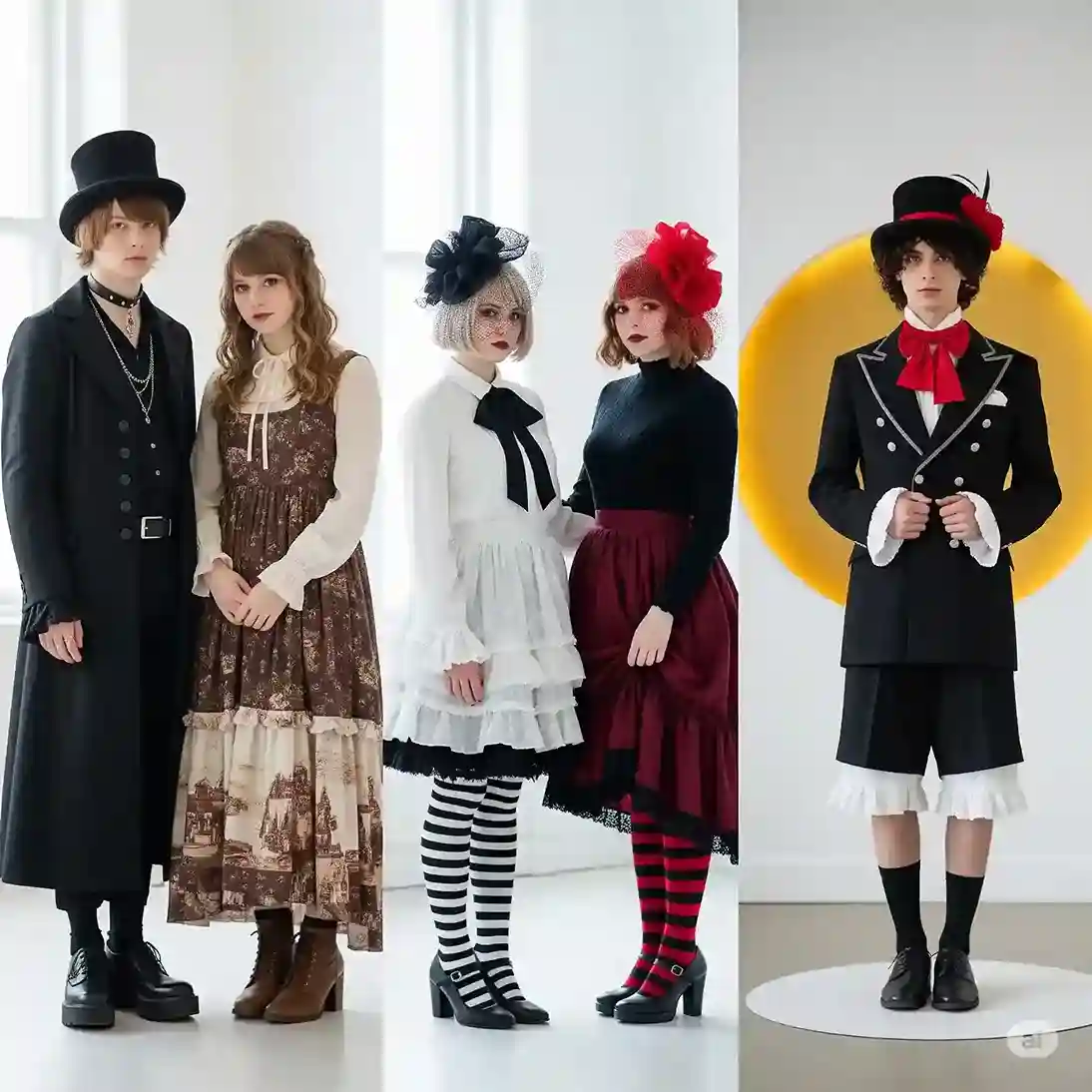
Hot Topic brought alternative fashion to the masses, offering band merchandise, gothic clothing, and accessories that couldn’t be found anywhere else in the mall. The store became a sanctuary for punk, goth, and metal fans who might otherwise feel marginalized by mainstream fashion. Its dark interiors, loud music, and walls of band t-shirts created an immersive shopping experience that connected directly with alternative subcultures.
Gadzooks and Forever 21
Gadzooks specialized in trendy accessories and gifts, becoming a destination for unique finds and impulse purchases. Forever 21, which expanded rapidly during the late 1990s, offered fast fashion at prices that appealed to young mall-goers. Both stores capitalized on the trend cycle’s acceleration, constantly refreshing their inventory to keep up with rapidly changing fashion tastes.
The Mall Fashion Trends of the 1990s
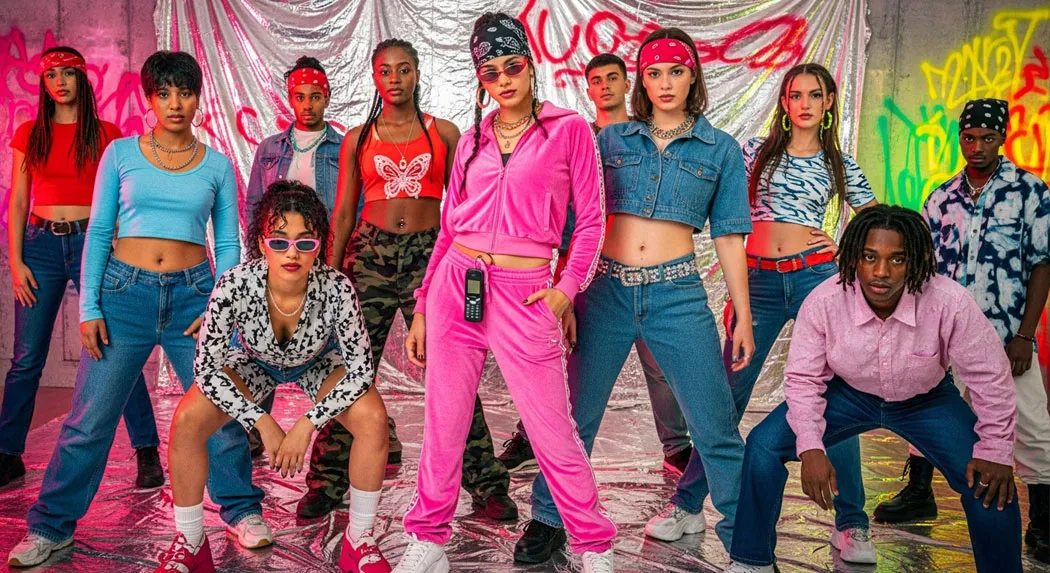
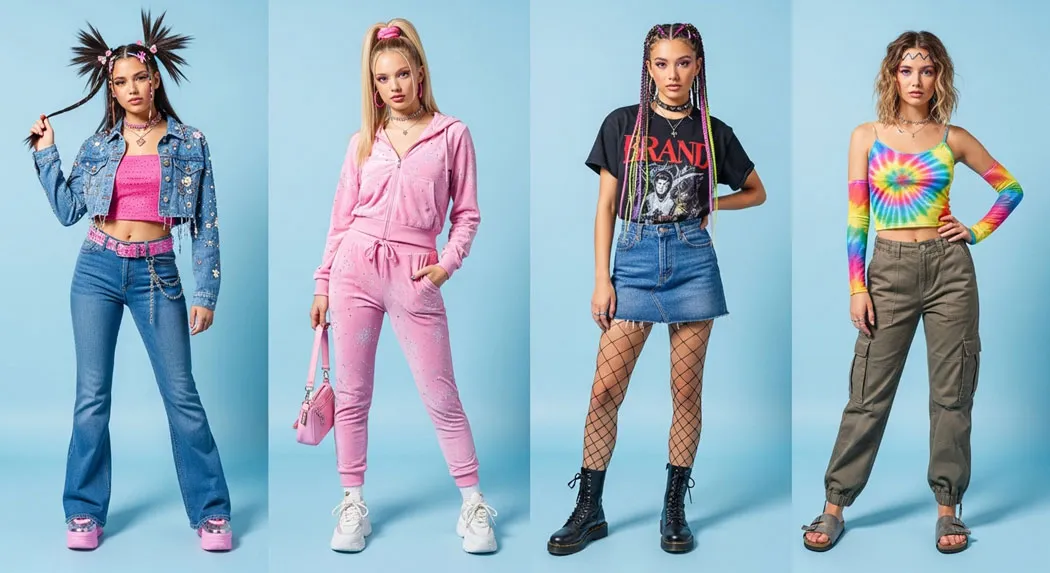
90s mall culture spawned specific fashion trends that became defining elements of the decade’s style identity.
Brand Logomania
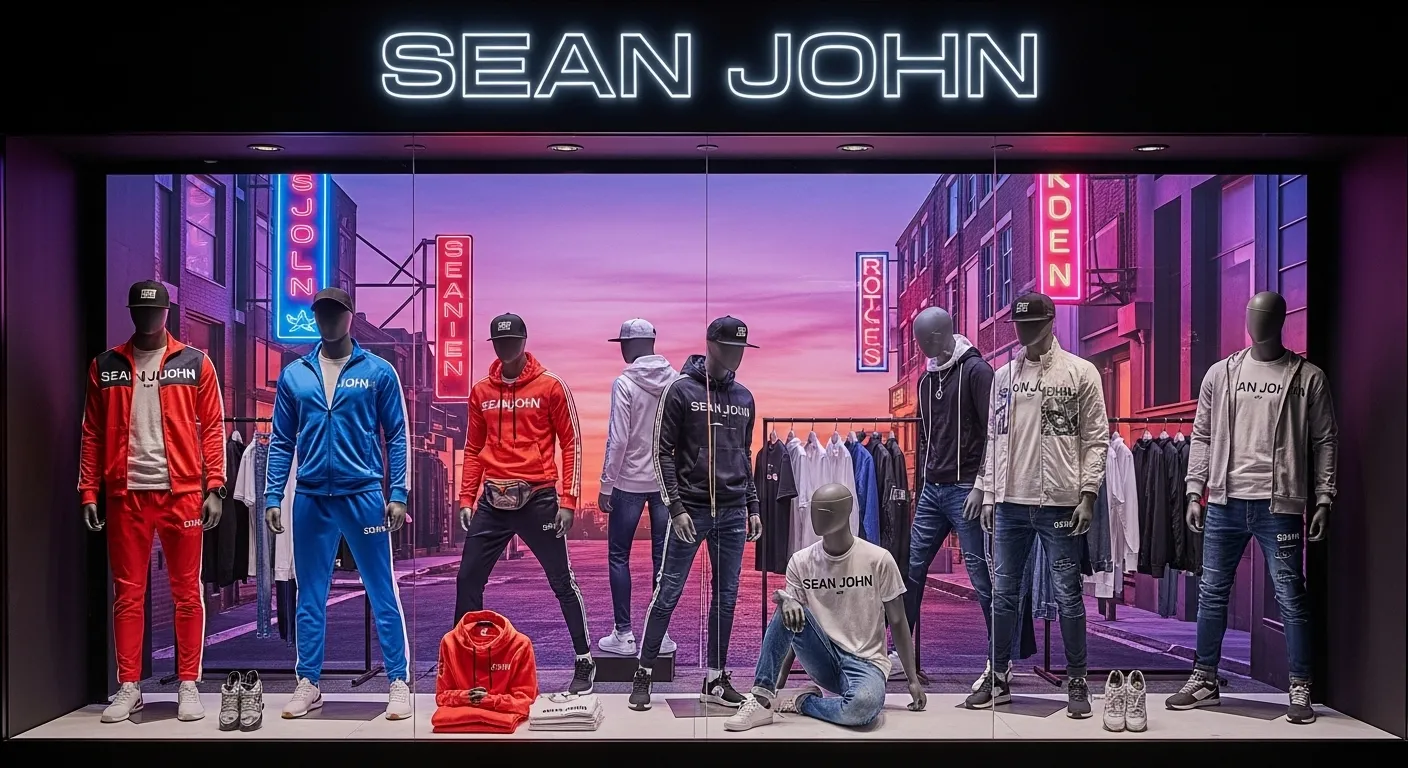
Shopping malls were ground zero for the logomania trend of the 1990s. Brands like Tommy Hilfiger, Ralph Lauren, and Calvin Klein became status symbols, with their logos prominently displayed on t-shirts, caps, and bags. Mall-goers carefully curated their outfits to showcase the right brand mix, with certain labels signifying specific social groups and fashion allegiances.
Mall Hair and Beauty Trends
The mall also drove beauty trends, with stores like Claire’s and The Icing offering affordable jewelry and hair accessories that completed any look. Butterfly clips, chokers, and temporary tattoos were essential mall purchases. The food court and common areas became places where hairstyles like the Rachel, spiky gel looks, and frosted tips were displayed and copied.
The Decline and Modern Revival of Mall Culture
The rise of e-commerce and changing shopping habits led to the decline of traditional mall culture in the 2000s and 2010s. However, recent years have seen a powerful nostalgia-driven revival of 90s mall aesthetics.
Nostalgia Retail and Pop-Up Malls
Modern retailers have recognized the appeal of 90s mall culture and created experiences that tap into this nostalgia. Pop-up malls featuring vintage stores, nostalgic brands, and retro food court options have become popular in major cities. These temporary retail experiences recreate the magic of 90s mall shopping for a new generation while satisfying the nostalgia of those who remember the original era.
Digital Mall Culture
Social media platforms have become the digital equivalent of 90s mall culture, with platforms like TikTok and Instagram serving as the new food court where fashion trends are displayed and judged. However, many young people are seeking authentic in-person shopping experiences, leading to a renewed interest in physical retail spaces that capture the spirit of the 1990s mall.
Conclusion
90s mall culture was more than just a shopping experience; it was a defining social institution that shaped how an entire generation approached fashion, identity, and community. The food courts, the stores, the people-watching, and the collective style consciousness created a unique fashion ecosystem that continues to influence how we dress and shop today. As nostalgia for the 1990s drives contemporary fashion trends, the spirit of mall culture lives on in our continued love for the styles, brands, and attitudes that defined that golden era. Explore our guides to 90s fashion icons and 90s Hollywood style for more retro inspiration.
\uD83D\uDCEB Subscribe for More Y2K Style!
Get the latest Y2K fashion tips straight to your inbox.