The 90s Grunge Aesthetic: Your Complete Style Guide
Few movements have left a mark as indelible as the 90s grunge aesthetic. Born in Seattle’s smoky clubs and catapulted into the mainstream by Nirvana, Pearl Jam, and Soundgarden, grunge was never supposed to be a trend. It was anti-fashion — a deliberate shrug at the glossy excess of the 1980s. Yet three decades later, the 90s grunge aesthetic remains one of the most revived looks in street style and high fashion. In this guide, we walk you through the origins, the essential wardrobe pieces, the music that fueled it all, and how to style grunge today.
What Is the 90s Grunge Aesthetic?
The 90s grunge aesthetic is more than ripped jeans and flannel — it is a cultural statement rooted in authenticity and a deliberate rejection of polish. It emerged from the Pacific Northwest music scene in the late 1980s, where teenagers wore whatever was cheap, warm, and comfortable. Thrift stores were the primary source, making every outfit one-of-a-kind. The aesthetic prizes worn-in textures, muted earth tones, and deliberate dishevelment.
The Seattle Sound That Started It All
To understand the 90s grunge aesthetic, start with the music. The “Seattle sound” — a heavy blend of punk aggression and metal riffs — created a subculture that valued substance over style. When Nevermind exploded in 1991, the world adopted the uniform as much as the music. Kurt Cobain’s thrift-store cardigans, torn jeans, and sneakers became the inadvertent blueprint for a generation.
How Music Shaped the Fashion
The relationship between grunge music and grunge fashion was symbiotic. MTV brought both into living rooms across America, and suddenly flannel was a fashion item rather than a lumberjack necessity. The key detail: grunge musicians were not trying to start trends. They were simply poor, creative kids wearing what they could find. That authenticity is why the aesthetic has endured. You cannot fake the 90s grunge aesthetic — it has to feel lived in.
Essential Pieces of the Grunge Wardrobe
Building a grunge wardrobe is about collecting staples that look like they have stories. Every piece should feel slightly broken in, slightly oversized, and completely unpretentious. Here are the non-negotiables.
Flannel Shirts — The Ultimate Grunge Staple
No garment defines the 90s grunge aesthetic quite like the flannel shirt. Worn open over a band tee, tied around the waist, or buttoned all the way up as a standalone top, flannel was the unofficial uniform of the 90s. The best flannels come in muted plaids — reds and blacks, blues and greens, or classic buffalo check. Look for soft, washed cotton that already has a broken-in feel. Oversized is the goal; a true grunge flannel should hang past your hips and allow easy layering underneath.
Ripped Jeans and Distressed Denim
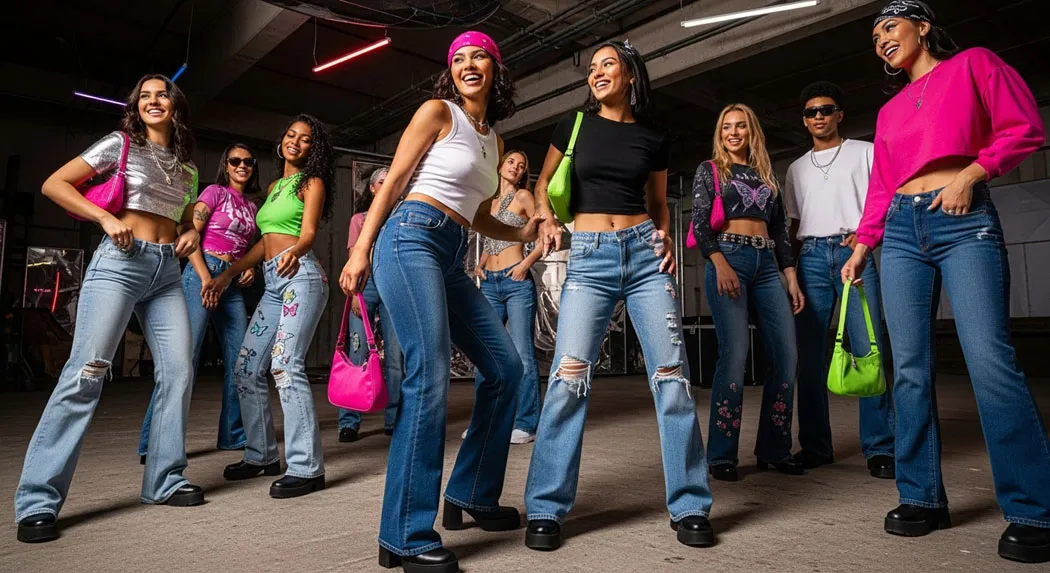
Grunge denim is not about designer rips placed by a stylist. It is about jeans that have been worn until they gave out. Look for straight-leg or slightly baggy cuts in medium or light washes. If your jeans do not already have holes, you can distress them yourself with sandpaper or a razor blade — the DIY ethos is central to the 90s grunge aesthetic. Avoid skinny jeans; the original grunge silhouette was loose, relaxed, and prioritized comfort over shape.
Band Tees and Vintage Graphics
A faded band T-shirt is the heart of any grunge outfit. Nirvana, Pearl Jam, Soundgarden, Hole, and The Smashing Pumpkins are perennial favorites, but the key is that the shirt looks like it has been to a few shows. Faded graphics, cracked prints, and soft worn cotton are exactly what you want. Modern fast-fashion versions look too new and stiff. Hunt for vintage tees at thrift stores or specialty resellers — the authenticity justifies the hunt.
Combat Boots and Heavy Footwear
Dr. Martens are the gold standard of grunge footwear, but any chunky lace-up boot works. Combat boots ground the outfit and balance the softness of flannel and denim. Look for worn leather in black or cherry red. Chunky platform sneakers or Converse high-tops also fit the 90s grunge aesthetic.
The Art of Grunge Layering
Layering is the secret weapon of the 90s grunge aesthetic. Because the Pacific Northwest climate is cold and wet for much of the year, grunge style evolved around practicality — multiple thin layers that could be added or removed as needed. But layering was also an artistic choice that created depth, texture, and a deliberate sense of casual rebellion.
Mixing Textures and Silhouettes
A classic grunge layer stack: a ribbed tank underneath, a faded band tee over that, an open flannel on top, and a cardigan or denim jacket as the outermost layer. The result is a collage of textures — soft cotton, scratchy wool, smooth denim. The 90s grunge aesthetic thrives on contrast. Tuck nothing in. Roll the cuffs. Let the layers hang.
The Cardigan-and-Dress Trick
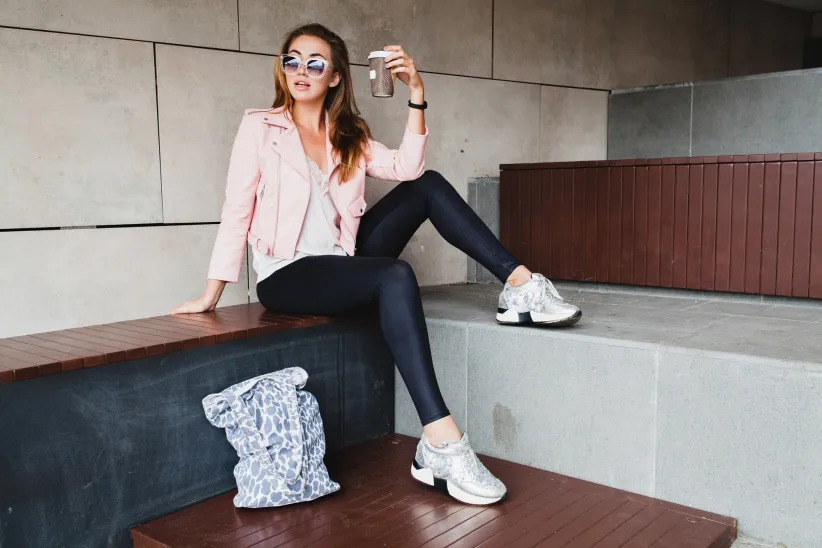
One of the most iconic grunge looks: a slip dress worn over a T-shirt with a chunky cardigan on top. This combination, popularized by Courtney Love and the Riot Grrrl movement, is a masterclass in grunge styling. A silky slip dress reads feminine, while the oversized cardigan and scuffed combat boots add edge. This look is still completely wearable and is one of the easiest entry points into the 90s grunge aesthetic.
How to Style 90s Grunge Aesthetic Today
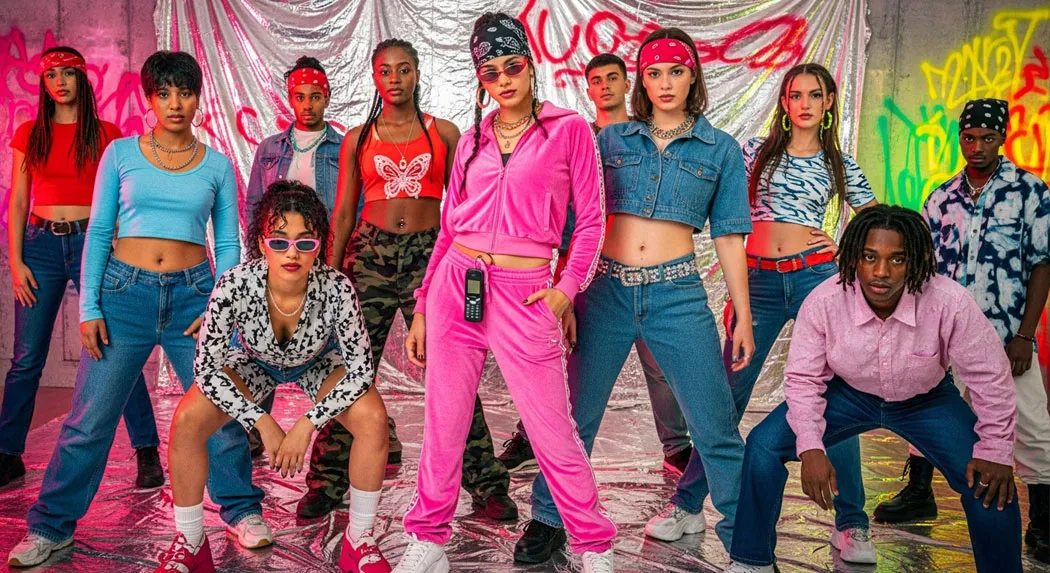
The 90s grunge aesthetic has never really gone away — it has just evolved. High-fashion runways from Marc Jacobs to Saint Laurent have revisited grunge repeatedly, and the current Y2K revival has brought flannel and combat boots back into rotation. Here is how to wear grunge in a way that feels current, not costumey.
Modern Silhouettes, Vintage Soul
The key to modern grunge is proportion. Try cropped cardigans with high-waisted wide-leg jeans, or layer a cropped band tee over a longer mesh top. Swap traditional flannel for a plaid blazer worn loose over a graphic tee. The spirit of grunge is not exact replication — it is about taking the ethos of comfort, thrift, and authenticity and applying it to your own style. Even 90s streetwear brands like Carhartt and Dickies have been reinterpreted for a new generation.
Grunge Accessories That Still Work
Accessories in the 90s grunge aesthetic are minimal and functional. Slouchy beanies, knit caps, and newsboy hats add the right top-of-the-head attitude. Dark nail polish, a single silver ring, and a leather choker are about as accessorized as a true grunge outfit gets. Skip anything that looks overly curated or branded. The beauty of this look is its indifference to adornment. You do not accessorize grunge — you just put on clothes and walk out the door.
Where to Shop for Grunge-Inspired Pieces
Thrift stores remain the best source for authentic grunge clothing. Vintage band tees, worn-in denim jackets, and genuine 90s flannel can still be found with patience. For those who prefer to shop online, look for vintage-focused resellers on Depop and Etsy that specialize in the 90s grunge aesthetic. At Y2KFashionNova, we curate pieces that capture the look and feel of the era — from oversized outerwear to accessories that complete the vibe. Check out our Y2K aesthetic clothing collection and vintage fashion trends guide for more inspiration.
Conclusion — Embrace Your Inner Rebel
The 90s grunge aesthetic is not about following rules — it is about rejecting them. Whether you are pulling a faded flannel from a thrift bin or layering a slip dress over a band tee, dress like nobody is watching. So rummage through the vintage rack, rip your jeans a little more, and wear your boots until the soles wear thin. The 90s grunge aesthetic is waiting for you.
Ready to build your grunge wardrobe? Explore our full collection at Y2KFashionNova.com and discover pieces that bring the 90s back to life.
\uD83D\uDCEB Subscribe for More Y2K Style!
Get the latest Y2K fashion tips straight to your inbox.