The Ultimate Guide to 90s Workwear
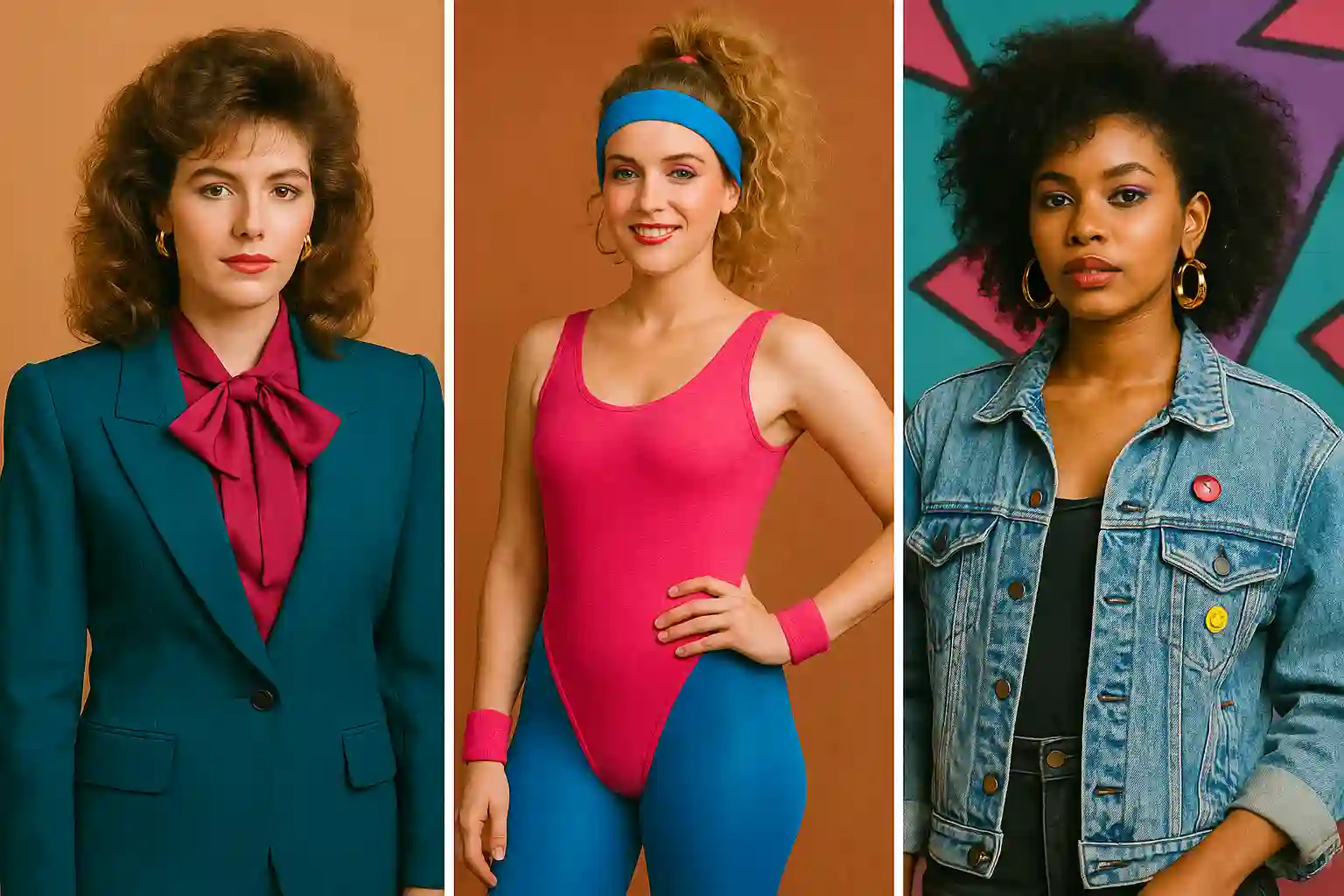
90s workwear redefined office fashion for a generation. Moving away from the stiff power suits of the 1980s, 90s workplace style embraced relaxed silhouettes, softer fabrics, and a more individual approach to professional dressing. From the oversized blazers of “Ally McBeal” to the minimalist suits of Calvin Klein, 90s workwear was comfortable, stylish, and surprisingly influential.
The 1990s saw a fundamental shift in how Americans dressed for work. Casual Fridays became a thing, tech companies started embracing more relaxed dress codes, and the line between work and weekend wear began to blur. This was the decade that gave us the business casual revolution.
The Relaxed Blazer
The 90s blazer was a completely different animal from its 80s predecessor. Shoulder pads shrunk, silhouettes loosened, and fabrics softened. The power blazer became the relaxed blazer, and it was worn with everything from tailored trousers to jeans. The key was drape and movement rather than structure and authority.
Neutral colors dominated 90s workwear blazers. Black, navy, gray, and especially brown and camel were popular choices. Single breasted cuts with two or three buttons were standard, and the overall effect was intentional understatement. The goal was to look professional without looking like you were trying too hard.
The Minimalist Suit
Calvin Klein and Helmut Lang defined the minimalist suit of the 90s. Clean lines, neutral colors, and impeccable tailoring created a look that was both professional and fashion forward. These suits were often worn without ties, with a simple shell top or a fine knit sweater underneath.
The minimalist suit was particularly popular among women entering the workforce in larger numbers. It offered a sophisticated alternative to the masculine power suit while maintaining professional authority. Carolyn Bessette Kennedy, with her minimalist Calvin Klein wardrobe, became the unofficial style icon of 90s workwear.
Pants: From Trousers to Bootcut
Pants in 90s workwear went through several distinct phases. Early in the decade, wide leg trousers with sharp creases were popular, echoing the 1940s Hollywood influence that resurfaced in the early 90s. By mid decade, straight leg cuts dominated, offering a clean, modern silhouette that worked for both office and casual settings.
Late 90s saw the rise of bootcut trousers, which would become the defining pants silhouette of the turn of the millennium. 90s Hollywood style influenced office wear, with celebrities like Jennifer Aniston making bootcut pants a must have item. These pants were wider from the knee down, designed to be worn with heels or chunky sole shoes.
Knitwear and Tops
Fine knit sweaters were a staple of 90s workwear. Cashmere and merino wool blends in neutral colors were worn under blazers or on their own for a polished but comfortable look. Turtlenecks made a major comeback, offering a sophisticated alternative to button down shirts.
Silk shell tops were another essential layering piece, providing a touch of luxury under work suits. These tops came in neutral colors as well as subtle patterns like pinstripes and geometric prints. The key was choosing pieces that could be mixed and matched to create multiple outfits from a minimal wardrobe.
Button down shirts remained part of the workwear rotation but became less formal. Oxford cloth button downs, often in colors like blue, white, and pink, were worn untucked with slacks for a more relaxed look. The power tie, a staple of 80s workwear, largely disappeared except in the most conservative industries.
The Rise of Business Casual
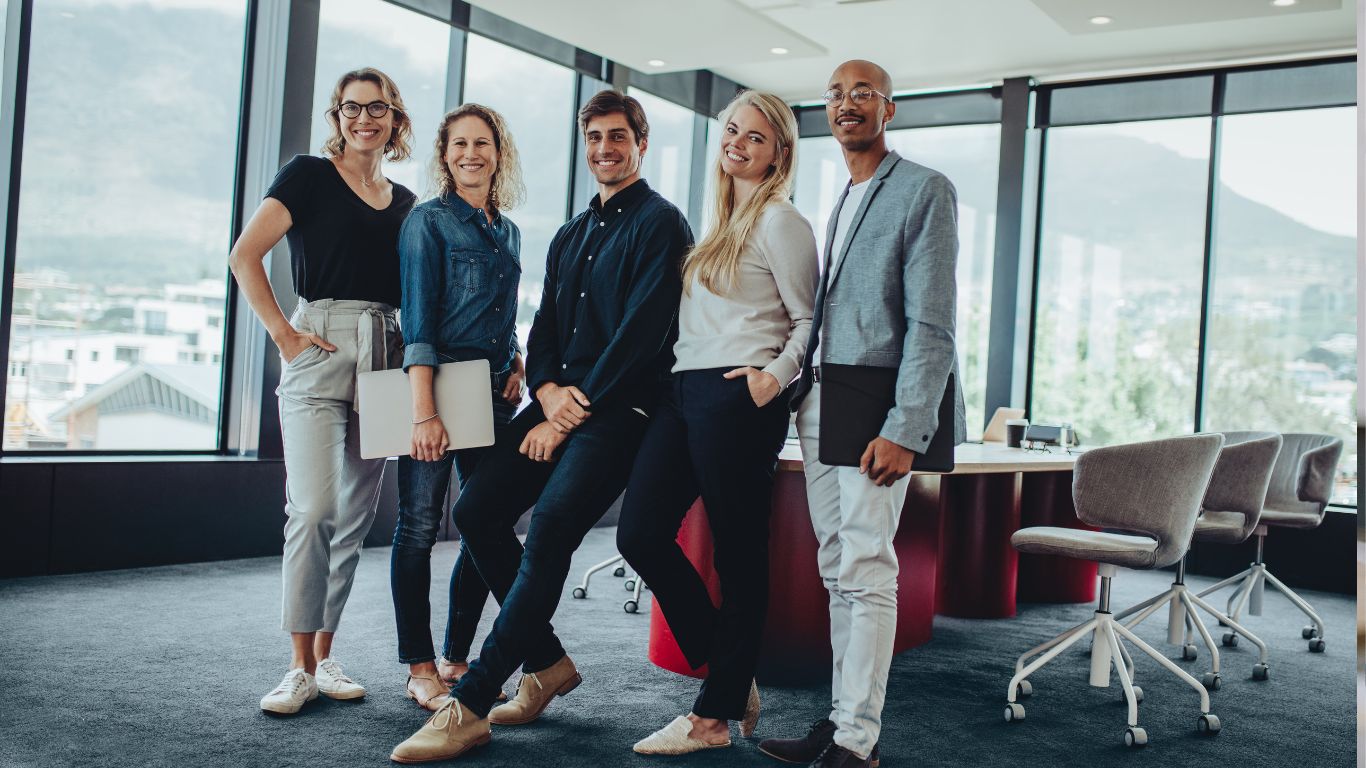
Perhaps the most significant development in 90s workwear was the rise of business casual. While the term had been around since the 80s, it became a mainstream dress code in the 1990s as tech companies and startups began challenging traditional office norms. Casual Fridays became a weekly event in many offices, and some companies adopted relaxed dress codes full time.
Business casual in the 90s meant different things to different people. For some, it meant khakis and polo shirts. For others, it meant dark jeans and blazers. The lack of clear rules could be confusing, but it also gave workers more freedom to express their personal style within professional boundaries.
Modern Influence of 90s Workwear
The 90s workwear revival is in full effect today. Y2K platform shoes pair perfectly with modern interpretations of 90s office style. Oversized blazers have returned to prominence, worn by fashion influencers and celebrities alike. The relaxed suiting trend that dominates contemporary fashion owes a clear debt to 90s workwear.
Modern workwear maintains the 90s emphasis on comfort and individuality while updating fabrics and fits for contemporary tastes. High rise trousers replace the low rise styles that emerged in the late 90s, and sustainable fabrics address the environmental concerns that were rarely considered in the original era.
Key Pieces for a 90s Workwear Wardrobe
To build a 90s inspired work wardrobe, start with these essential pieces. A relaxed fit blazer in camel or navy serves as the foundation. Pair it with straight leg or bootcut trousers in a matching or complementary neutral. Add fine knit sweaters, silk shell tops, and a few quality button down shirts.
Shoes should be comfortable but polished. Loafers, low heel pumps, and ankle boots all work well. For a more casual look, consider clean white sneakers or platform loafers. The key is balance: mix structured pieces with relaxed ones to achieve that effortless 90s workwear aesthetic.
Final Thoughts
90s workwear represented a shift toward comfort, individuality, and practicality in professional dressing. It proved that you could look polished without being stuffy, professional without being boring. The best 90s workwear looks remain relevant today because they prioritize fit and quality over trends, and that is a lesson worth carrying forward.
\uD83D\uDCEB Subscribe for More Y2K Style!
Get the latest Y2K fashion tips straight to your inbox.